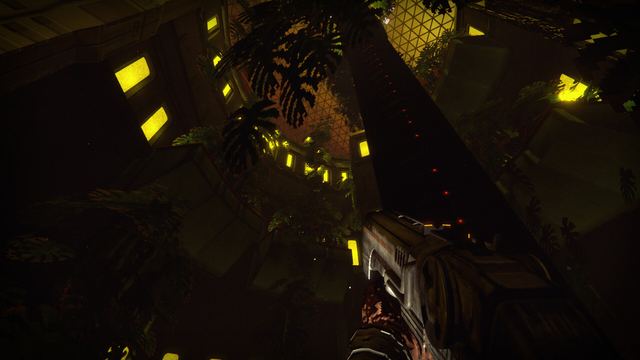
Stealth and security
Total avoidance is as valid as a trap or a fight; hack terminals and turrets before an encounter and let the station kill for you instead.
RetroSpace sells itself on not forcing a playstyle. Total avoidance is as legitimate as a diversion, a trap, a hidden route, or a full-on fight — and the station's own security can be turned against whoever is hunting you.
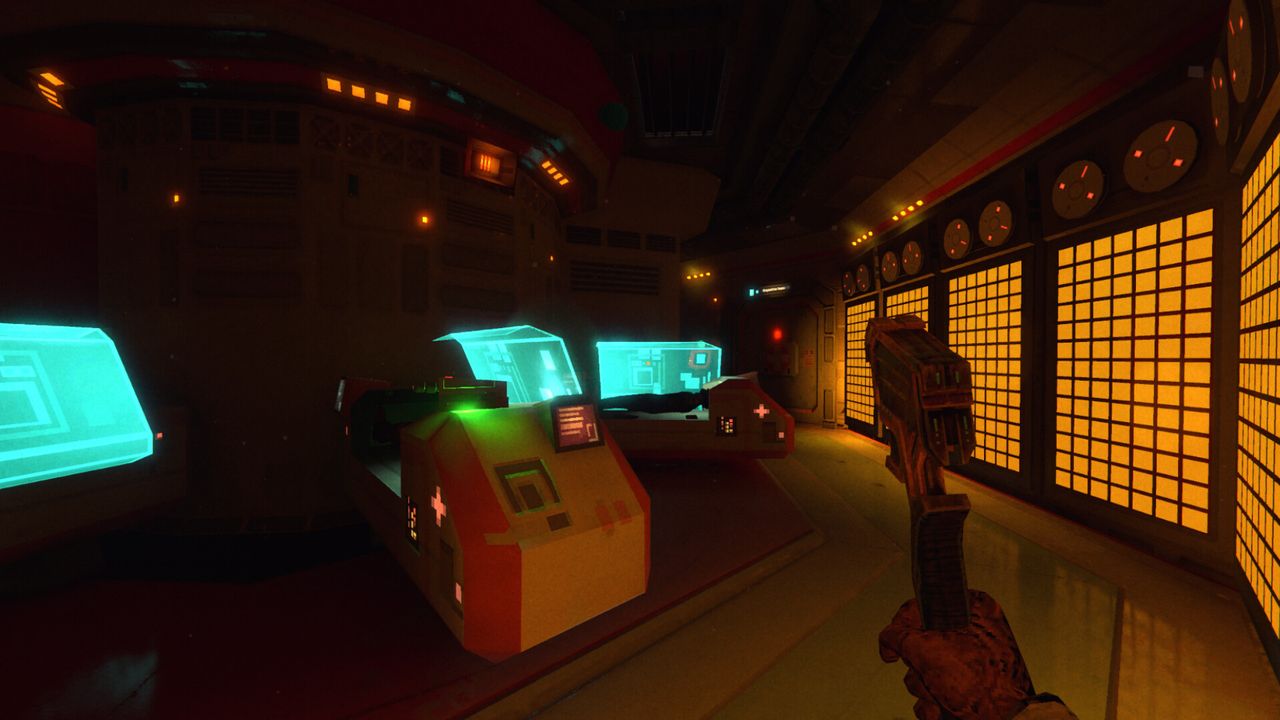
This page is about the quiet half of the game.
Your stealth toolkit
| Tool | How it works | When to use it |
|---|---|---|
| Light and shadow | Dark areas are where you become hard to read | Crossing a patrolled industrial room |
| Sound and diversions | Noise moves enemies; throwing something is cheaper than shooting something | Splitting a group, or pulling a guard off a door |
| Traps and environmental hazards | The station kills on your behalf | Any room with machinery, fire, or a drop |
| Hacking | Terminals and security stations are interactive systems | Before a fight, never during one |
| Hidden routes | The station is deliberately over-connected | When the direct path is watched |
| Enemy behaviour | Every enemy has its own abilities and weaknesses to learn | Every single time, instead of memorising damage numbers |
Hacking is the strongest verb in the game
The official material is blunt about security: it is extremely deadly unless you find a way to turn it into an ally. That makes hacking a force multiplier rather than a flavour option.
- Scout the terminal before you trigger anything. Terminals are part of the room's logic, not decoration.
- Point turrets at the patrol route, not at the door you came through.
- Turrets show damage — the demo's second major update made them emit smoke and sparks when hurt — so a partially broken turret is information, not just scenery.
- If a room cannot be hacked, that is the game telling you this room is meant to be avoided.
How to decide: sneak or fight
- Count the exits. Two or more ways out, and you can afford to experiment. One, and you should not start anything.
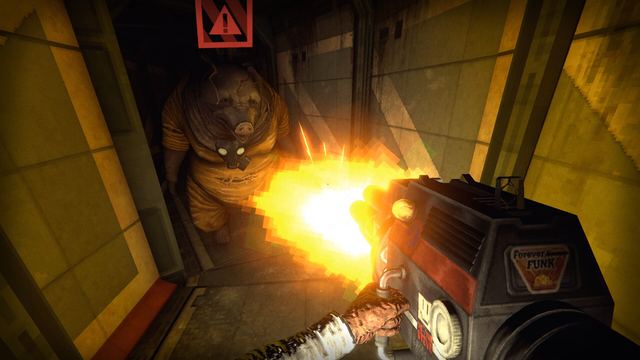
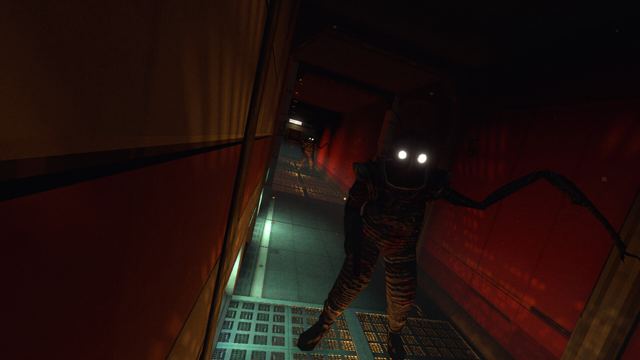
- Check what the enemy reacts to. Some enemies track sound; others track light or line of sight. The reaction, not the health pool, decides whether stealth is even possible.
- Value the recovery trip. A lost fight in a distant sector costs you the walk back to your body — see Death, cloning and rebirth.
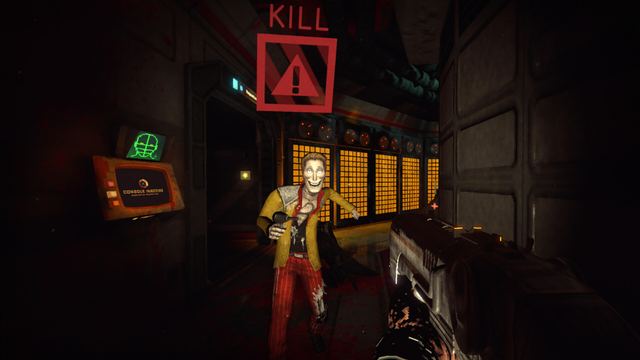
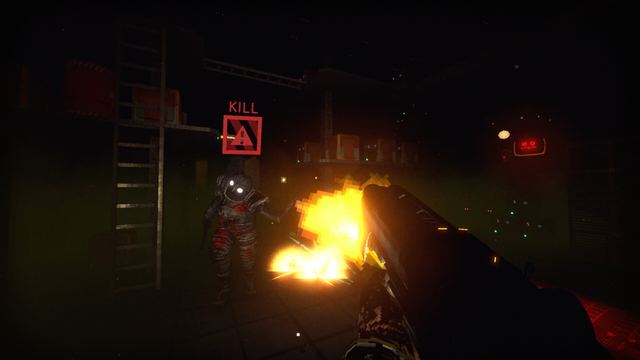
- Remember the indicator. The enemy state indicator can be toggled from the menu; keep it on while you are still learning a new enemy type.
Fight only when the room is on your side
If you do fight, do it in a room you have already prepared: a hazard you can bait an enemy into, a turret you control, or a corridor you can retreat down. The official feature list frames combat as one of several answers, and the demo's second major update (better guns, faster shotgun, an improved wrench with a charged attack) exists to make those deliberate fights feel good — not to make random fights survivable.
Still unconfirmed
- Named enemy types and their specific weaknesses in the retail build.
- Which security devices can be hacked versus destroyed outright.
- Whether the launch build adds non-lethal options beyond avoidance.